
Understanding insomnia and sleep anxiety
Sleep problems are surprisingly common, yet they can feel isolating and exhausting. Insomnia, sleep anxiety and disrupted sleep can affect every part of life, including mood, energy, concentration and physical wellbeing. Whether you lie awake worrying at night, wake up in the middle of the night or struggle to fall asleep at all, you’re not alone and there are many ways to tackle the problem.

Your body knows how to sleep and with the right support, you can re-learn how to rest
Symptoms and signs of sleep issues
Sleep problems can show up in many ways. You might notice:
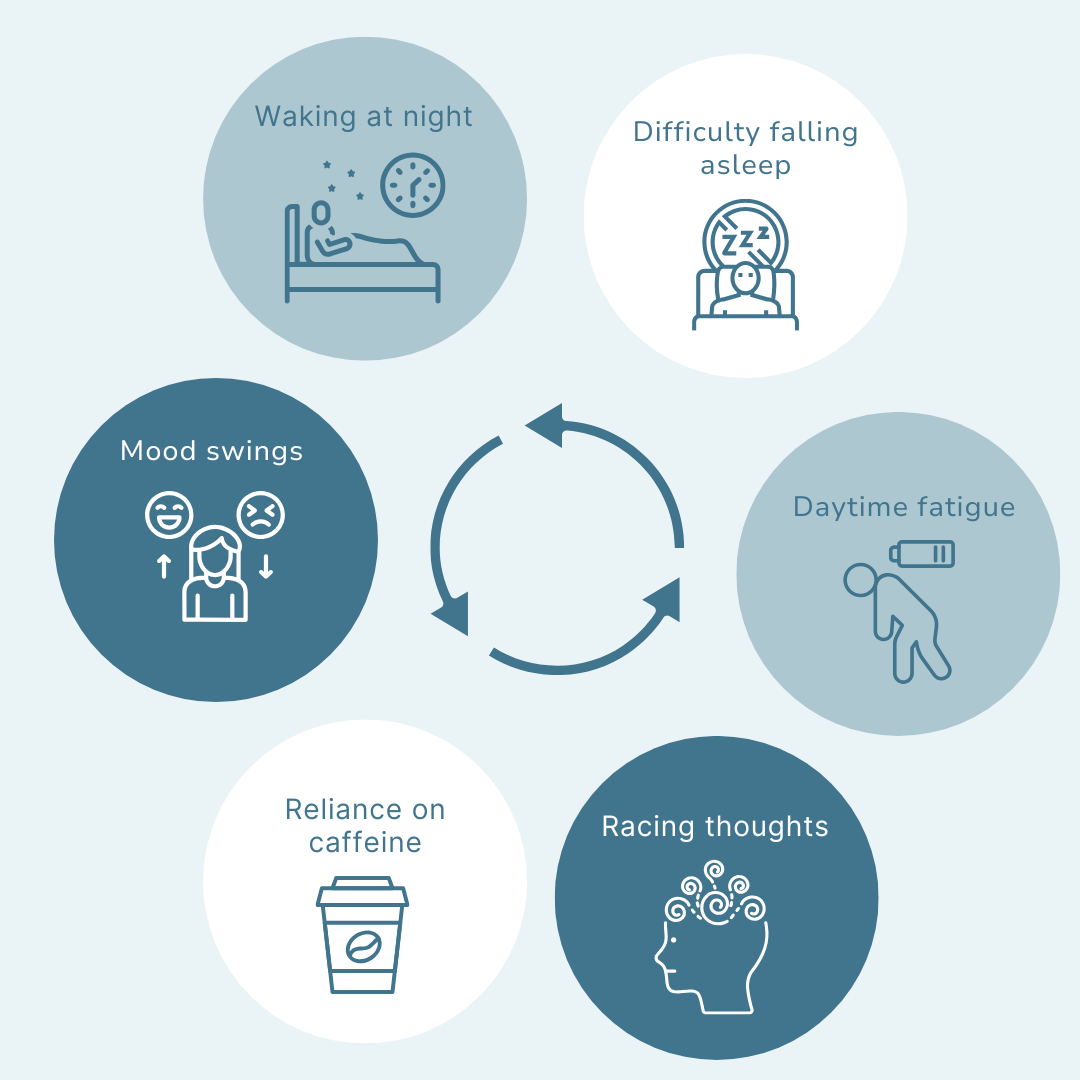
Symptoms can develop into a vicious cycle, where anxiety about sleep makes it even harder to rest.
Sleep issues are often triggered by a temporary period of stress, which develops into a longer term problem. Even small amounts of stress, anxiety or worry can interfere with our natural sleep rhythm. Over time, our brains and bodies can start to anticipate poor sleep, keeping us trapped in a cycle of insomnia and sleep anxiety. Click here to read more about the factors that drive sleep anxiety, why it’s not your fault and how it can be successfully treated.
Why sleep problems happen
When to seek medical support
Sometimes, insomnia can be caused or worsened by underlying medical conditions. These may include:
Sleep apnoea or breathing problems
Chronic pain or movement disorders
Disorders of the sleep-wake cycle
Effects of alcohol or medications
If your insomnia might be linked to a medical issue, it’s important to get medical evaluation first or alongside therapy. I can work with you while you manage these conditions to ensure safe and effective treatment.
Impact of poor sleep
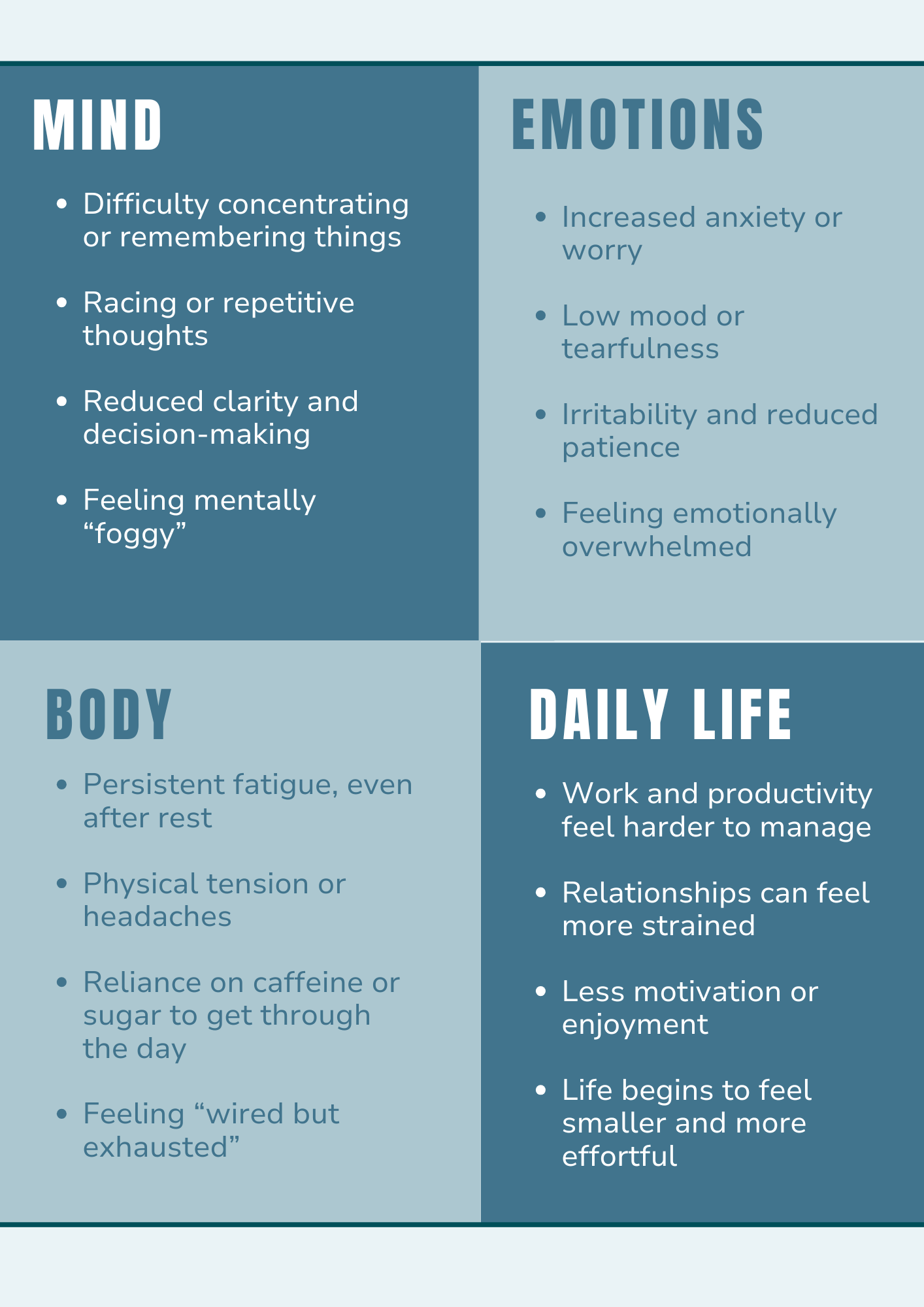
Sleep loss doesn’t just make you tired: it can make everything feel harder. When sleep is disrupted for weeks or months, its effects often spread into many areas of life. You might notice changes in mood, confidence, concentration or resilience, even if it isn’t immediately obvious that sleep is at the heart of it.
Living with ongoing sleep problems can be exhausting and isolating. Many people tell me they feel frustrated with themselves, worried about the long-term impact or stuck in a cycle of trying harder and feeling worse. Over time, poor sleep can begin to colour how you experience work, relationships and even everyday decisions.
The impact of sleep difficulties can be wide-reaching. But it isn’t permanent. Sleep is a natural process, not something you have to force or control. With the right support, your mind and body can begin to feel safer, calmer and more able to rest. Change is possible, even if it doesn’t feel that way right now.
How sleep therapy helps
The personalised sleep therapy I offer looks at the whole picture. Sleep struggles are rarely “just about sleep”. Thoughts race, the body stays tense and bedtime can start to feel stressful rather than restful.
Together, we gently work with the worries, habits and physical tension that can keep sleep stuck. You’ll learn simple, evidence-based ways to feel calmer at night, settle your nervous system and gradually rebuild trust in your ability to sleep again.
If there’s a medical issue involved, this approach can sit alongside other care, offering a supportive and practical path back towards more natural, restful sleep all at a pace that feels right for you.
Sleep doesn’t have to feel this hard.
Book a free 30-minute discovery call to talk through what’s been going on and see whether this approach feels right for you.